

Sponsorship Levels vs. A La Carte: Because Sometimes You Want the Combo Meal
Sponsorship recruitment is a critical part of organizing successful events—whether it’s a charity gala, a tech conference, or your town’s annual "Lawn Chair Racing Championships" festival. To make sure your event flourishes (and your spreadsheets stay happy), it’s worth understanding the different ways to structure sponsorships. Two popular models are the classic tiered sponsorship levels and the build-your-own a la carte approach.
Each has its perks and pitfalls, much like choosing between prix fixe dining and ordering off the specials board.
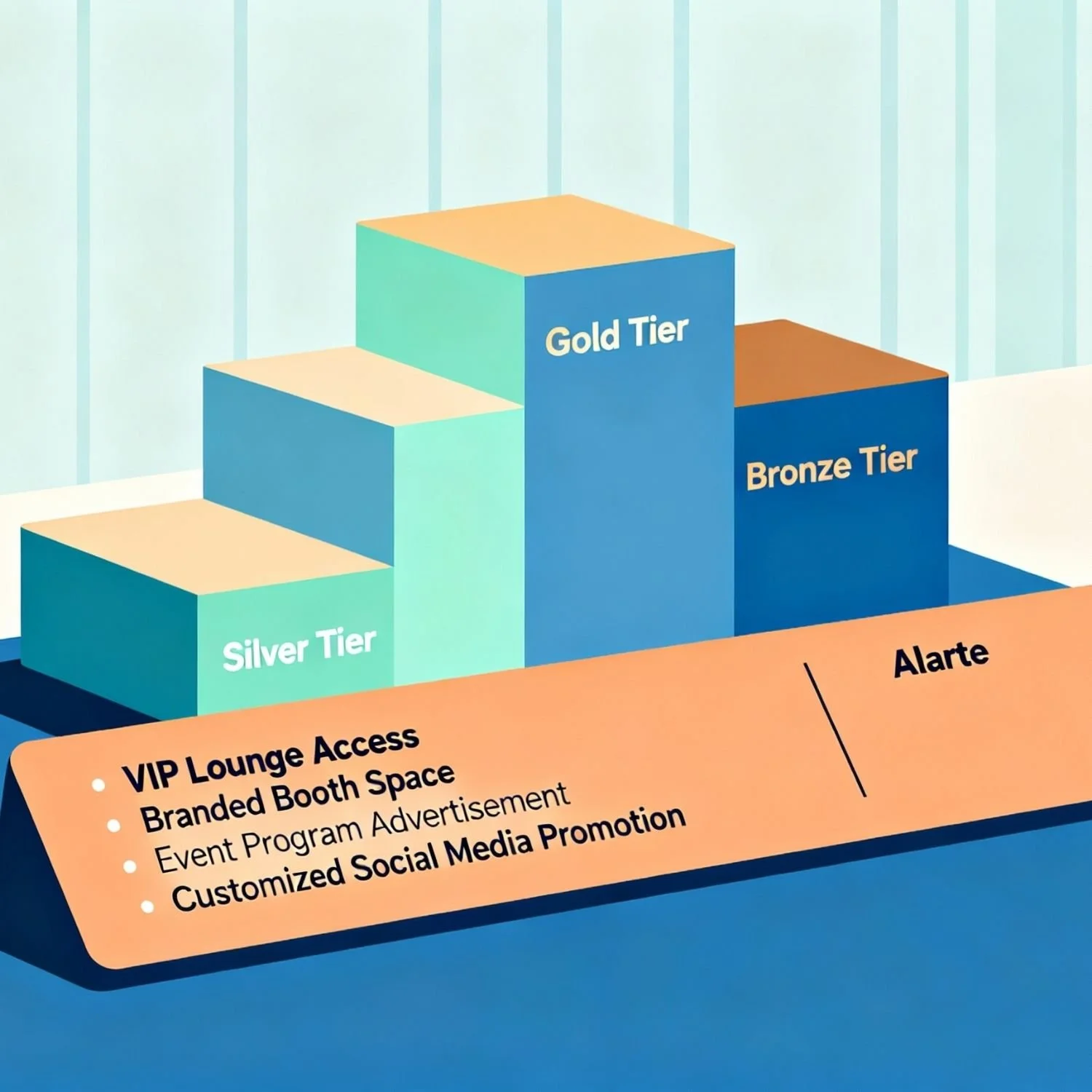
Sponsorship Levels: A Structured Approach
What Are Sponsorship Levels?
Sponsorship levels—think Platinum, Gold, Silver, and Bronze—offer predefined packages with escalating benefits. The more you pay, the shinier your name appears on banners and programs. Everyone loves a little sparkle, right?
Advantages of Sponsorship Levels:
Simplicity: Predefined levels make life easier for sponsors. They can quickly see what fits their budget—like a sponsorship menu with pictures.
Streamlined Negotiation: Less back-and-forth, more signatures on contracts.
Predictable Revenue: Fixed pricing means fewer surprises for your budget (and fewer late-night panic sessions with Excel).
Perceived Value: High-tier sponsors get to bask in prestige—and bragging rights that pair well with champagne at the event.
Drawbacks of Sponsorship Levels:
Lack of Flexibility: Some sponsors want the Gold perks with the Silver pricing. Cue polite but awkward negotiation dance.
Overemphasis on Pricing: When you list all your prices, someone will always want “just a tiny discount.”
Limited Customization: One size rarely fits all—especially when sponsors have very specific branding dreams (like neon green lanyards).
Best For: Large events with multiple sponsors or those who like their sponsorships as tidy as a color-coded spreadsheet.
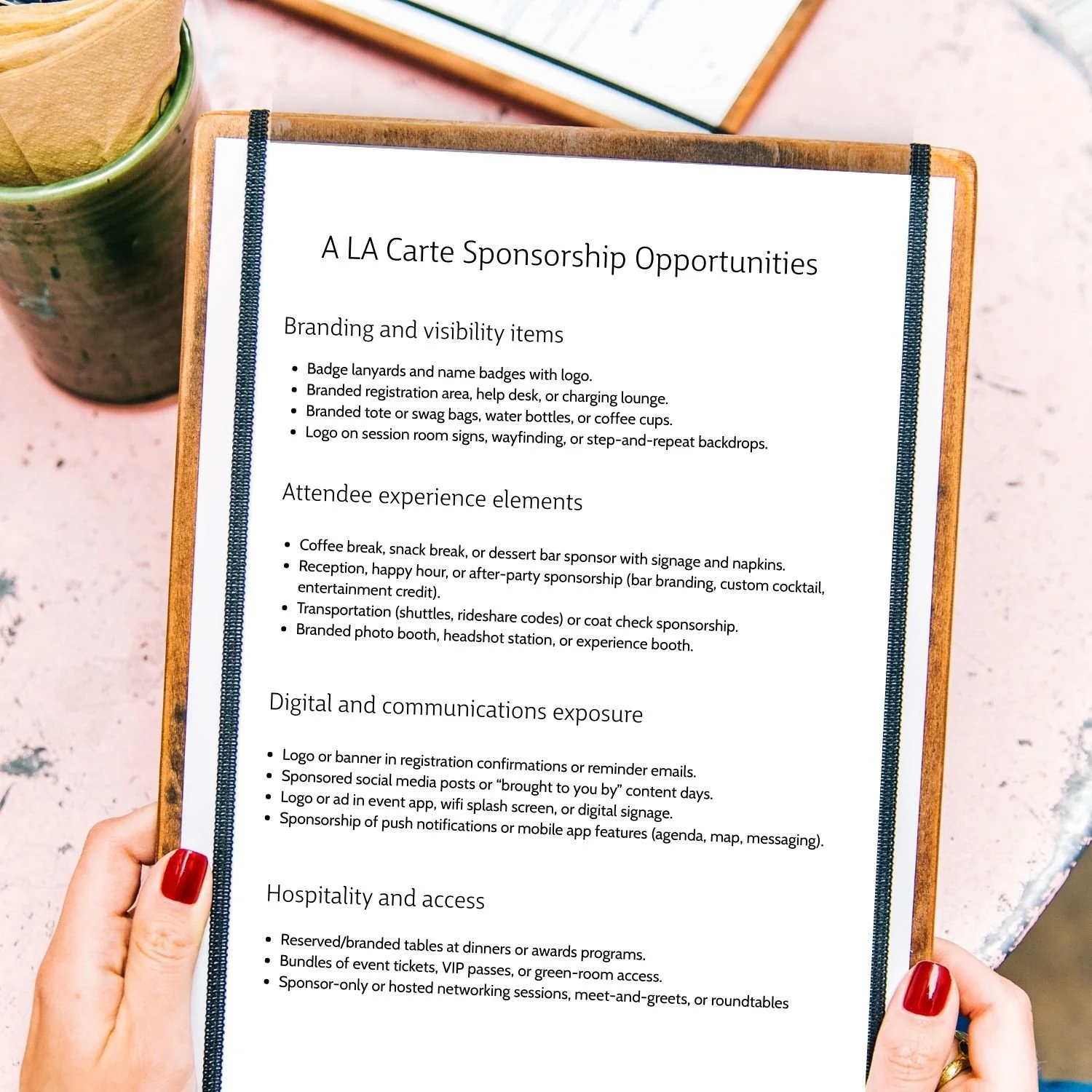
A La Carte Sponsorship: A Customized Approach
What Is A La Carte Sponsorship?
The “choose your own adventure” of sponsorship. Instead of set tiers, sponsors pick from a menu—anything from “coffee break sponsor” to “stage-named-after-your-dog” (if you’re cool with it).
Advantages of A La Carte Sponsorship:
Customization: Sponsors can tailor their involvement like a bespoke suit—no awkward sleeves.
Increased Engagement: The conversation about options often builds rapport—and occasionally friendship through caffeine-fueled brainstorming calls.
Targeted Sponsorships: Sponsors can invest where they’ll see the biggest splash.
Higher Potential Revenue: Exclusive or quirky opportunities can command premium pricing. “Wi-Fi Sponsor” might not sound glamorous, but trust—it’s the most-seen name at any event.
Drawbacks of A La Carte Sponsorship:
Complexity: More moving parts than a magician’s kit. You’ll need stellar organization.
Time-Consuming Negotiations: Expect longer discussions as sponsors tweak the details like perfectionist wedding planners.
Uncertain Revenue: Sponsors may cherry-pick lower-cost items, leaving higher-value options feeling lonely.
Best For: Unique or smaller events where sponsors crave creativity and connection over cookie-cutter packages.
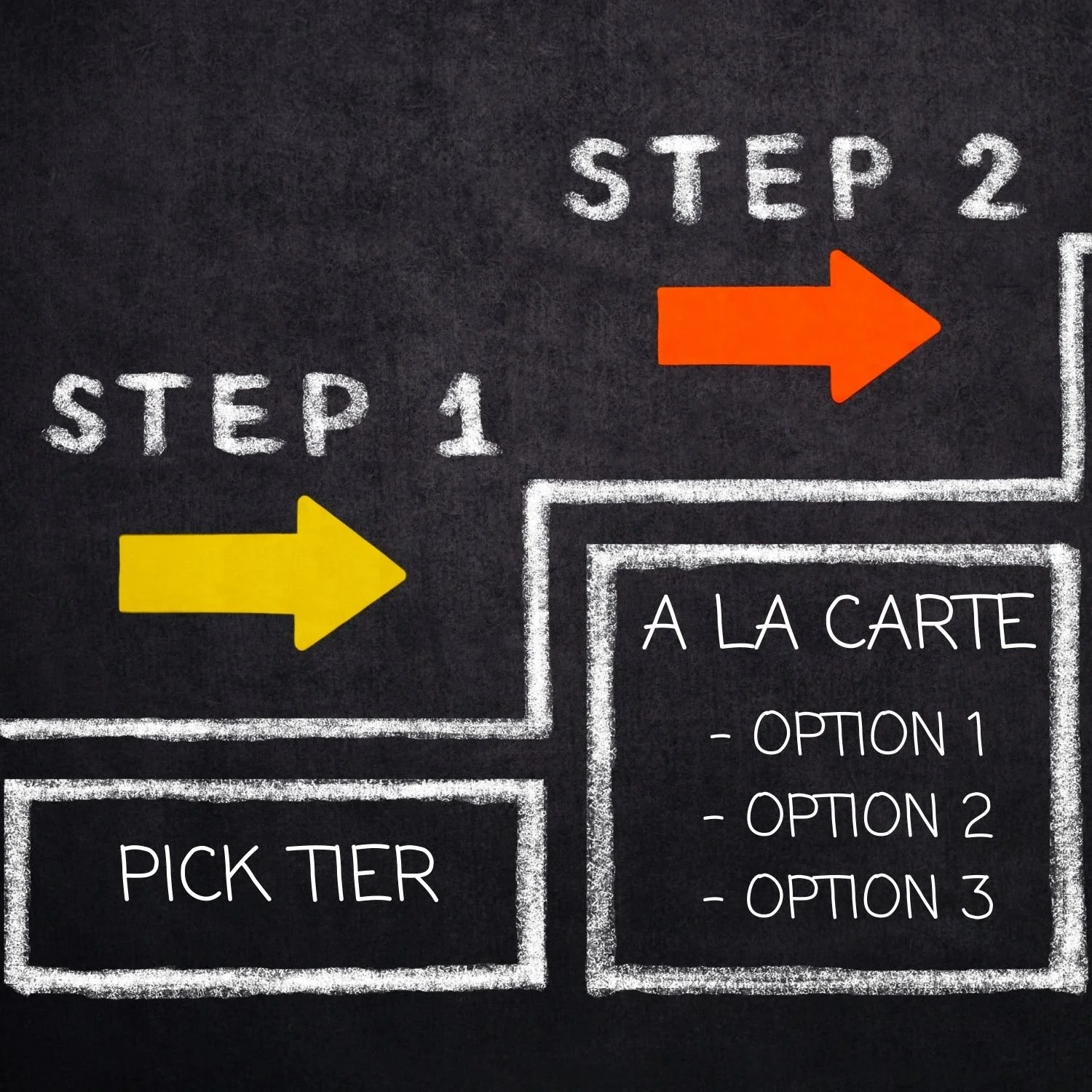
The Sponsorship Combo Platter: A Little Tier, a Little A La Carte
Why choose one dessert when you can have both cake and crème brûlée? Many events thrive on a hybrid approach—core levels for structure, a la carte for flair.
How to Mix the Two:
Core Levels: Offer main packages covering big-picture benefits (like broad branding and major visibility).
A La Carte Add-Ons: Let sponsors sprinkle on extras like VIP lounge rights or branded swag.
Exclusive Opportunities: Keep a few big-ticket slots open—think “official after-party sponsor” or “presenting sponsor of the mobile app,” because nothing says modern prestige like controlling the Wi-Fi.
Advantages of the Hybrid Approach:
Flexibility without chaos.
Broad appeal across budgets.
Increased revenue potential through tasteful upselling (no hard sell required).
Best For: Events with diverse sponsor pools—from major brands to passionate local businesses—looking for the best of both worlds.
Crafting Your Sponsorship Strategy
When deciding how to structure your sponsorship offerings, remember: one sponsor’s dream opportunity is another’s “meh.”
Know Your Audience: Corporate sponsors might prefer clean tiers; local businesses often like picking what aligns most with their personality.
Evaluate Your Event: Big or small, flashy or focused—choose what fits your vibe.
Stay Flexible: Even with tiers, be ready to customize. “Sure, we can put your logo on the vegetarian taco truck” could seal the deal.
Final Thoughts
In the end, successful sponsorship recruitment is about balance, creativity, and understanding what makes your sponsors tick. Tiered levels bring order; a la carte sponsorship brings flair. Mix them wisely, and your event can sparkle both financially and experientially—without losing your sense of humor (or your mind).