

Leftovers with a Purpose: Turning Party Extras into Community Good
Events are great for bringing people together, raising money, and justifying three different kinds of dessert. But when the guests go home and the buffet is still half full, all that extra food can quietly turn into a big waste problem. In the U.S., nearly 40% of the food supply is wasted each year, much of it ending up in landfills and contributing to methane emissions and climate change. At the same time, about 47 million people in the U.S. live in food-insecure households, including nearly 14 million children.
Leftovers are not a failure of planning; they’re an opportunity to feed people instead of trash cans.
Wait, Isn’t This a Legal Nightmare?
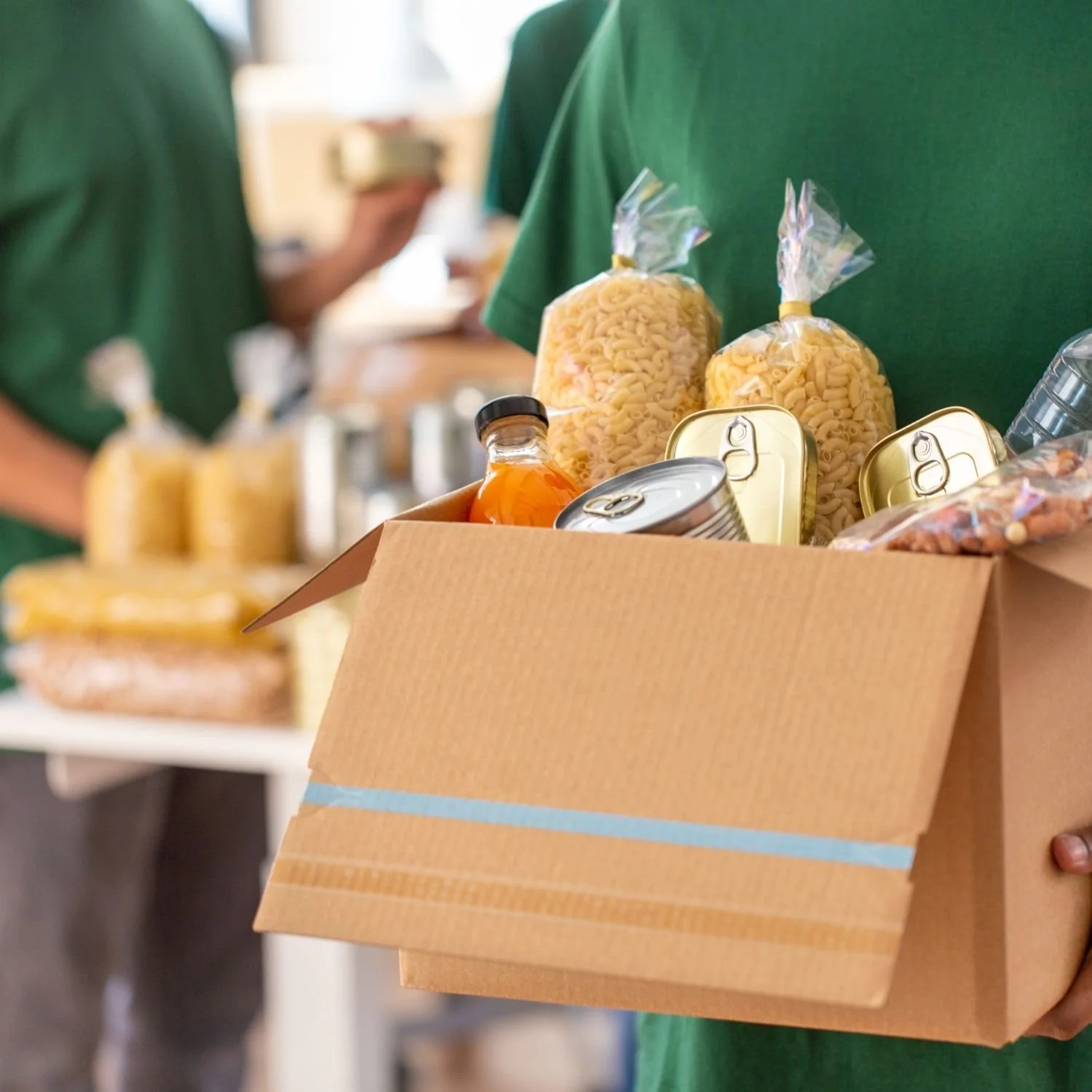
If your inner lawyer is already shouting “Liability!”, take a deep breath. The federal Bill Emerson Good Samaritan Food Donation Act provides civil and criminal liability protection for businesses and nonprofits that donate food in good faith to people in need. This protection applies to “apparently wholesome” food and “apparently fit” grocery products, including prepared foods, as long as donors avoid gross negligence or intentional misconduct.
Many states and local health departments have added their own protections and guidelines, making it easier for restaurants and events to donate safely rather than dump perfectly good food.
Before You Donate: Key Basics
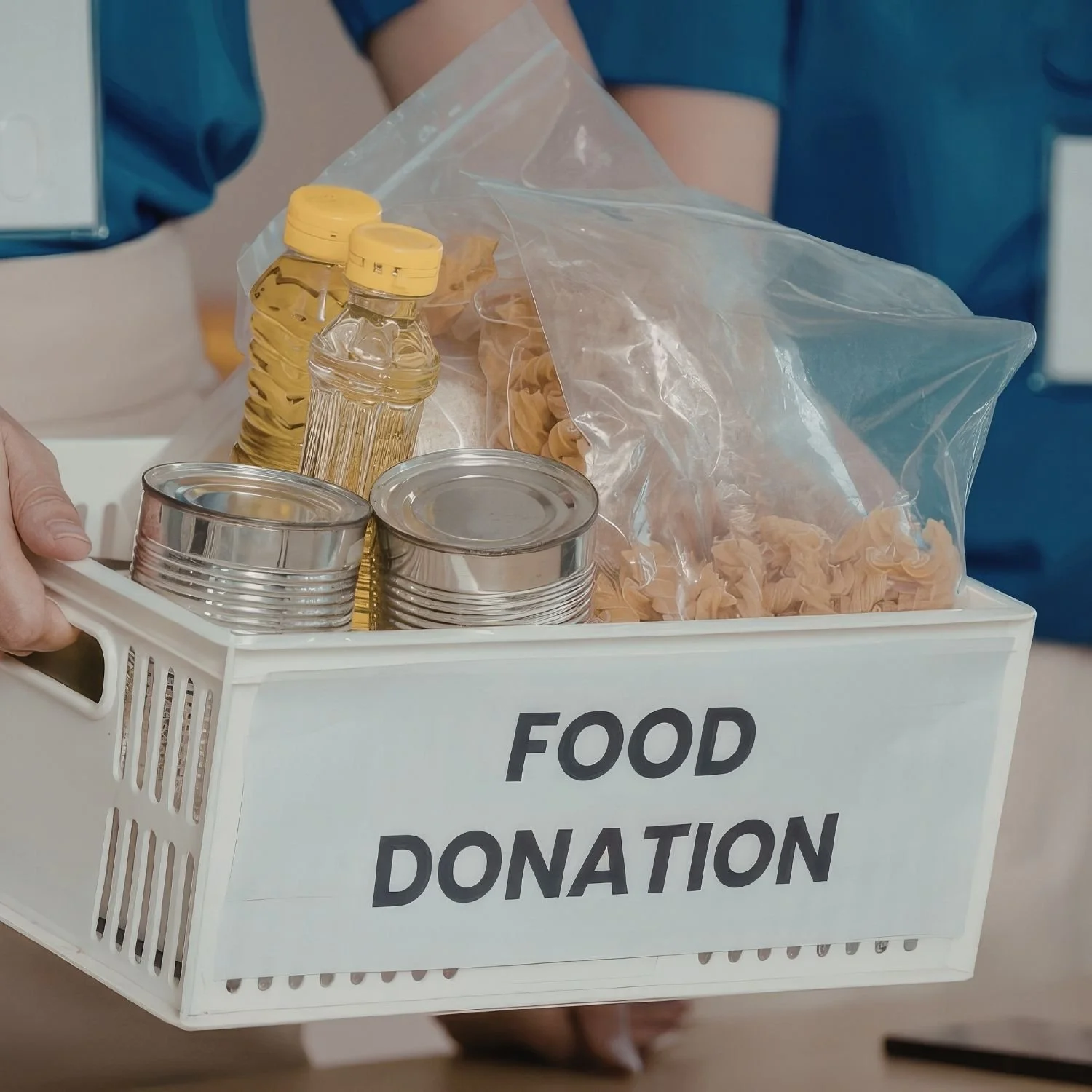
Follow food safety standards. Local Health Department rules still apply, even when the food is headed to a rescue instead of a VIP. Safe handling helps prevent foodborne illness and keeps donations truly helpful.
Handle and store food properly. Keep hot foods hot and cold foods cold, prevent cross-contamination, and use secure packaging so food arrives in good condition.
Separate perishables and non-perishables. Label and sort items so food rescues can move perishable foods quickly and store shelf-stable items efficiently.
Talk to rescues ahead of time. Clear communication about what you’ll donate, how it will be packaged, and when it will be ready makes the process smoother for everyone.
Build Donation into Event Planning
Start in the pre-event phase. Add “food donation plan” to the event checklist—right between “finalize floor plan” and “double-check microphone batteries.” You can use Feeding America’s network to find a local food bank or partner near your event location.
Loop in your caterer early. Ask what packaging is needed, who will label items, and how quickly food can be cooled or packed after service. This avoids a scramble when the band plays the last song.
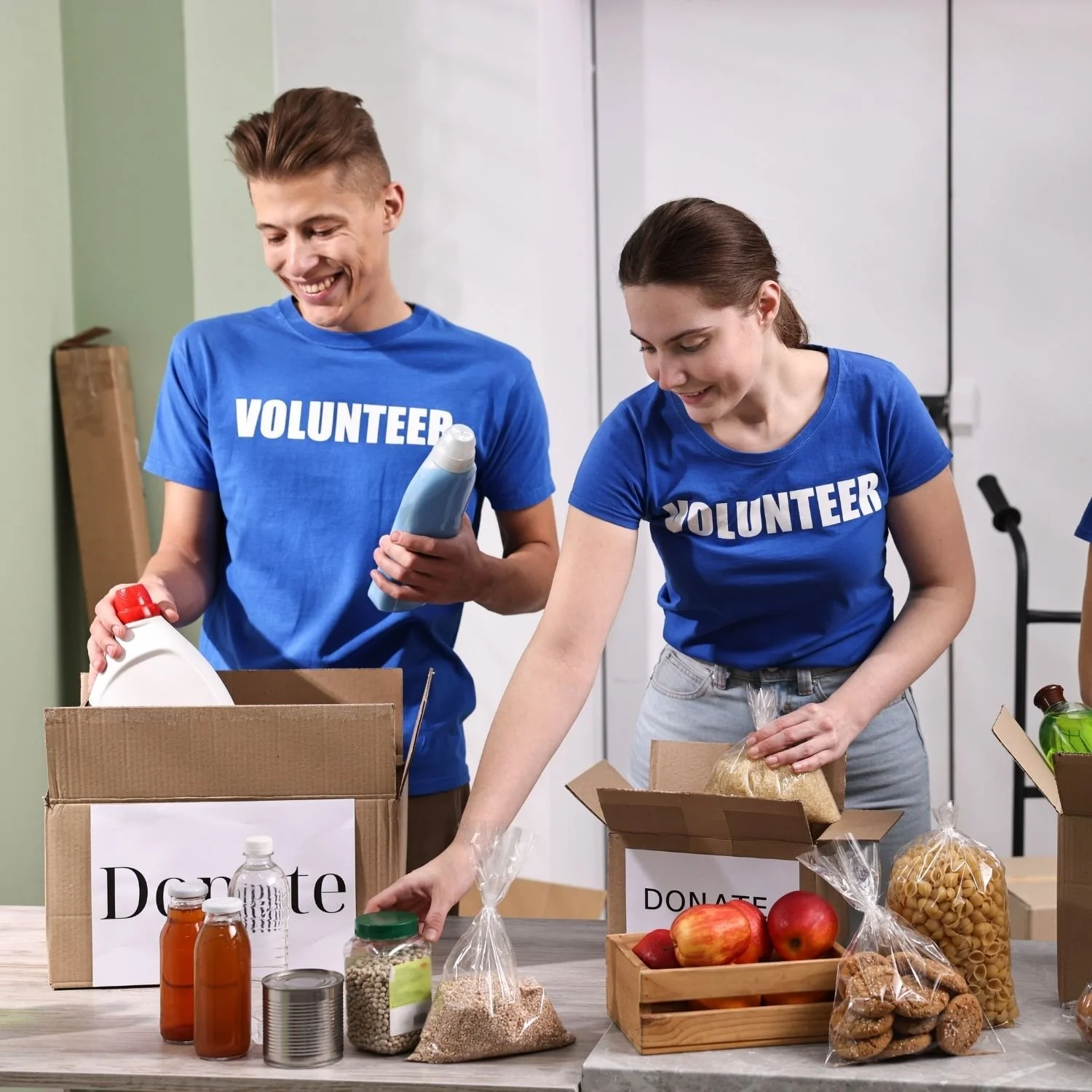
Train staff and volunteers. Brief them on what is safe to donate, how to handle leftovers, and where to take them. A five-minute huddle can save a lot of good food from the trash.
Set up donation “stations.” Designate clearly labeled areas or racks for food that’s ready for pickup, with separate spots for hot, cold, and shelf-stable items.
Coordinate pickup details. Confirm timing, quantities, and contact info with the food rescue, so your beautifully packed food doesn’t sit around longer than it should.
Final Thoughts
When nearly 40% of food ends up wasted while tens of millions of people struggle with food insecurity, donating event leftovers stops being a nice-to-have and starts looking like a responsibility. With clear guidelines, legal protection, and a bit of planning, that extra tray of tacos can go from “What do we do with this?” to “Who gets helped by this?”
So the next time you’re staring at a full buffet after the crowd has gone home, think of your leftovers not as a problem—but as your after-party guest list waiting to be fed.